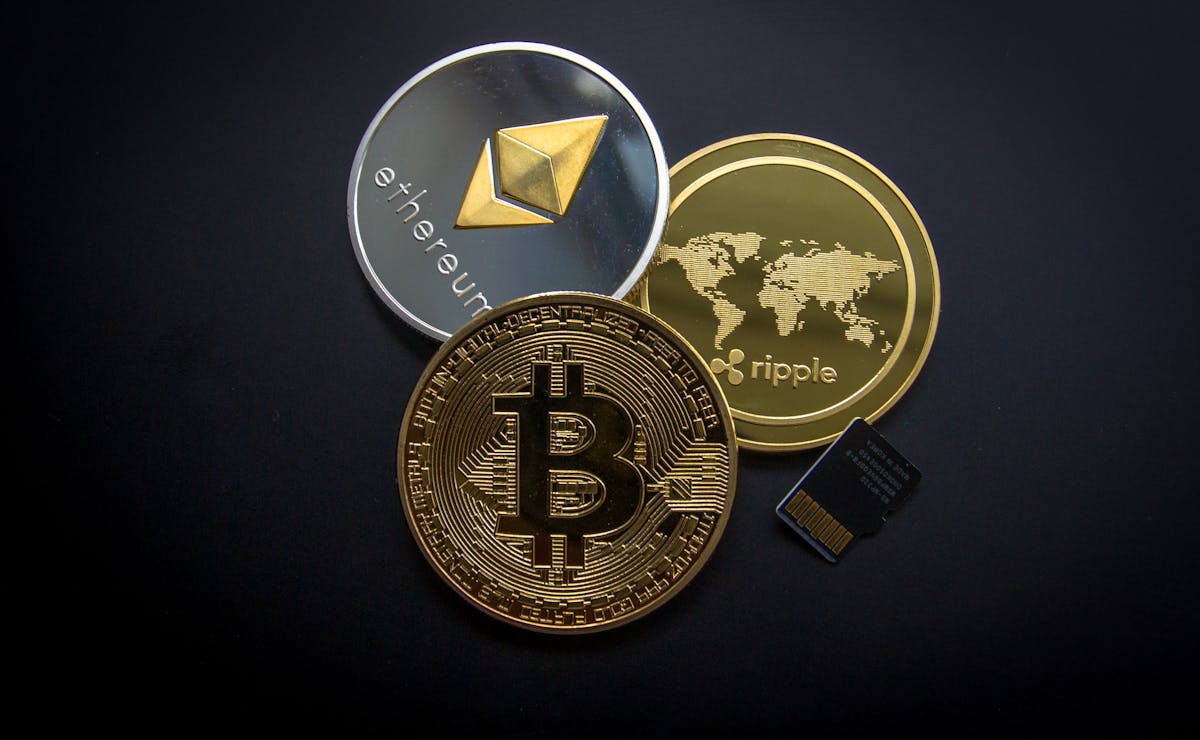
The Short Answer
If you’re trading memecoins in 2026, you’re probably doing it on Solana. Not because Ethereum is bad — it isn’t — but because Solana is faster, cheaper, and has a memecoin ecosystem that dwarfs everything else right now. Ethereum still matters for DeFi and blue-chip crypto, but when it comes to launching and trading meme tokens, Solana owns the market.
That said, both chains have real strengths and real weaknesses. This isn’t a fanboy post for either side. Let’s break down what actually matters when you’re deciding where to trade.
Transaction Speed
Solana: ~400 milliseconds per transaction. You click swap, and by the time you blink, it’s done. This matters more than you’d think for memecoin trading, where prices move fast and being 30 seconds late to buy or sell can mean a completely different price.
Ethereum: ~12 seconds per block. But that’s the optimistic number. During high network activity, your transaction might sit in the mempool for minutes waiting to be picked up. And if gas prices spike because everyone’s trying to buy the same token, you’re either paying extra to get priority or waiting in line.
Winner: Solana. In memecoin trading, speed is everything. A 400ms confirmation means you can react to price movements in real-time. On Ethereum, you’re always trading on a delay.
Transaction Fees
This is where the gap is enormous.
Solana: A typical token swap costs around $0.001 to $0.01. Literally less than a penny. You can make 100 trades in a day and spend less than a dollar in fees. This makes small trades practical — you can buy $5 worth of a token without fees eating half your position.
Ethereum: A token swap on Ethereum mainnet costs $2 to $50+, depending on network congestion. During hype periods — exactly when memecoin traders are most active — gas fees can spike to $100+ per transaction. That $20 memecoin purchase? You might pay more in gas than the token itself.
Winner: Solana, by a mile. Ethereum’s fee structure makes it impractical for the frequent, small trades that define memecoin trading. You need to be trading in the thousands of dollars on Ethereum for fees to be proportionally reasonable.
Memecoin Ecosystem
Solana: The undisputed king right now. Pump.fun alone launches thousands of tokens every day. Raydium handles massive swap volume. Jupiter aggregates liquidity across all Solana DEXs. The tooling — wallets, trackers, analytics — is all built around the memecoin use case. TokenRadar tracks every new token with safety analysis, price data, and trending metrics.
Ethereum: It’s where memecoins started — Shiba Inu, Pepe, Floki all launched here. Uniswap is still the biggest DEX by total volume. But the high fees pushed most of the degen trading activity to Solana and Layer 2s like Base. Ethereum still gets major memecoin launches occasionally, but the daily volume of new tokens is a fraction of what Solana sees.
Winner: Solana. Both in quantity (new launches) and infrastructure (tracking tools, fair launch platforms, DEX liquidity). Ethereum’s memecoin scene is more established but less active.
Security and Scam Risk
Here’s where it gets nuanced.
Ethereum: The smart contract ecosystem is more mature. Solidity (Ethereum’s programming language) has been around since 2015, and there are more auditing tools, more security researchers, and more battle-tested contract patterns. That doesn’t mean Ethereum tokens can’t be scams — they absolutely can — but there’s slightly more infrastructure for catching them.
Solana: The low barrier to creating tokens (especially via Pump.fun) means there are more scams in absolute numbers. When you can launch a token in 2 minutes for pennies, scammers can create hundreds per day. However, the Solana ecosystem has responded with tools specifically built to combat this — RugCheck, token safety analyzers, and platforms like TokenRadar that automatically flag red flags like enabled mint authority and concentrated holder distribution.
Winner: It depends. Ethereum has more mature security tooling. Solana has more scams but also more specialized scam-detection tools built for the memecoin context. On both chains, your safety comes down to whether you check before you buy.
Wallet Experience
Solana: Phantom is excellent. Clean design, fast, built-in swaps, token auto-detection, NFT support. Solflare is a solid alternative. Most Solana apps integrate with these wallets seamlessly.
Ethereum: MetaMask is the standard. It works, but it’s showing its age — the interface is cluttered, gas estimation is confusing for beginners, and you need to manually add token contract addresses. Rainbow and Rabby are better alternatives but less widely supported.
Winner: Solana (Phantom). For memecoin traders specifically, Phantom’s speed, built-in swap feature, and clean token display make it the better experience.
Liquidity and Trading Volume
Ethereum: Still king of total DeFi liquidity. Uniswap has more TVL (total value locked) than all Solana DEXs combined. For large-cap tokens, Ethereum offers deeper liquidity, which means less slippage on big trades.
Solana: For memecoins specifically, Solana often has more liquidity per popular token than Ethereum equivalents. Jupiter routes trades across multiple pools automatically to minimize slippage. The issue is more with newer tokens — very fresh launches might have thin liquidity regardless of the chain.
Winner: Ethereum for large trades, Solana for memecoin-sized trades. If you’re swapping $50-$5,000 worth of memecoins, Solana liquidity is more than adequate. If you’re moving six figures, Ethereum might offer less slippage on established tokens.
What About Layer 2s?
Ethereum Layer 2s — Base, Arbitrum, Optimism — deserve a mention. They solve Ethereum’s fee problem by processing transactions off the main chain, giving you Ethereum-level security with Solana-level fees.
Base in particular is building a memecoin scene. Coinbase backs it, it’s easy to bridge to from Ethereum, and fees are very low. It’s worth watching.
But right now, the memecoin gravity is on Solana. The tools are here, the communities are here, and the volume is here. Layer 2s might catch up, but they’re not there yet for the memecoin use case.
The Verdict
| Factor | Solana | Ethereum |
|---|---|---|
| Speed | ~400ms | ~12s+ |
| Fees | <$0.01 | $2-50+ |
| New token launches | Thousands/day | Hundreds/day |
| Best wallet | Phantom | MetaMask/Rabby |
| DeFi liquidity | Growing fast | Market leader |
| Scam risk | Higher volume, good tools | Lower volume, mature tooling |
| Best for memecoins? | Yes | For established ones |
For memecoin trading: Solana wins. The combination of near-zero fees, sub-second speed, Pump.fun as a launch platform, and purpose-built tracking tools makes it the obvious choice for anyone trading meme tokens in 2026.
For broader crypto: Ethereum still matters. If you’re into DeFi, NFTs on established platforms, or holding blue-chip tokens, Ethereum’s ecosystem depth is unmatched. They serve different purposes.
If you’re ready to explore Solana memecoins, here’s our step-by-step guide to buying your first one. And TokenRadar tracks every new Solana token with real-time safety analysis — so you can trade with your eyes open.