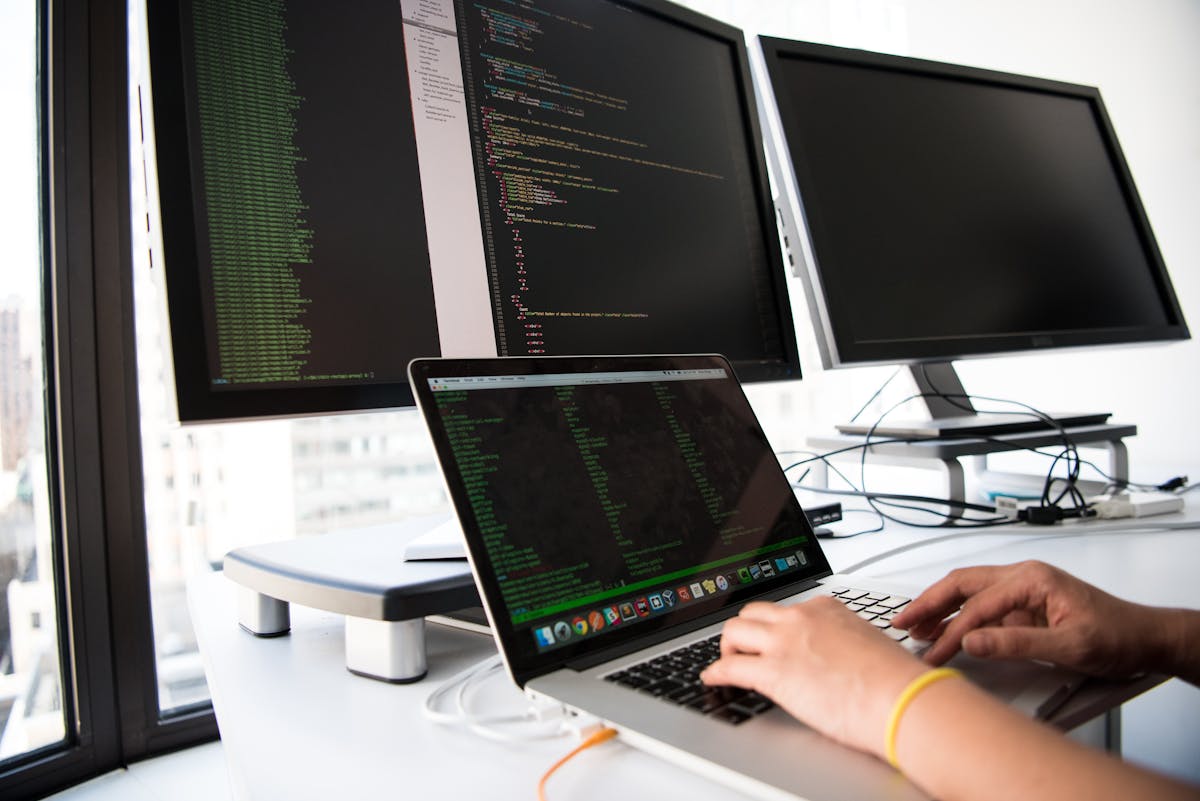
The best memecoin trades I’ve ever made happened while most of America was sleeping. I’m not talking about a lucky 2x on some random token. I’m talking about the kind of entries that turn a cautious 0.5 SOL position into something you screenshot and pin to the top of your group chat. And almost every single one of them happened between midnight and 6 AM Eastern.
I didn’t plan it this way. Like most people, I started trading during normal hours — scrolling through Twitter after lunch, checking charts between meetings, aping into whatever was trending on the timeline. And like most people, I was consistently late. By the time a token hit my feed, the early buyers were already in profit and I was providing their exit liquidity.
Then one night, I couldn’t sleep. I opened my laptop around 1 AM, pulled up my solana memecoin tracker, and noticed something strange: the feed was quiet, but the tokens launching were… different. Fewer of them, yes, but the ones that were moving had real momentum. Less noise. Less chaos. More room to think. I made two trades that night, both profitable. And I started paying attention.
Why the Night Hours Are a Completely Different Game
During peak US hours — roughly 9 AM to 6 PM Eastern — the Solana memecoin space is a warzone. Thousands of traders are watching the same feeds, reacting to the same influencer tweets, and fighting over the same new solana tokens. Bots are running at full speed. Snipers are front-running launches. The competition is brutal, and unless you have a sophisticated setup, you’re at a structural disadvantage.
After midnight, the landscape shifts. The US retail crowd thins out dramatically. The Twitter hype machine slows down. The influencers who pump tokens to their followers are asleep. What you’re left with is a smaller, more international pool of traders — many of them experienced, many of them operating from Asian and European time zones where it’s midday or early afternoon.
This changes everything about how tokens behave in their first hours of life. During the day, a new launch gets swarmed instantly. Hundreds of wallets pile in within the first minute. The chart spikes, dumps, and often never recovers. At night, launches have more room to breathe. The initial buying is more gradual, the price discovery is cleaner, and you have more time to actually evaluate whether something has legs before committing capital.
I’m not saying every night trade is a winner. Far from it. But the quality of your decision-making window improves dramatically when you’re not competing with the entire US degen army.
When Do New Tokens Actually Launch?
One thing that surprised me early on was that token launches don’t stop at night. If you’ve spent time watching pump.fun new tokens, you know the platform runs 24/7. Developers from around the world deploy at all hours. But the distribution isn’t even — and the gaps in coverage create opportunities.
I tracked launch volume across different UTC hours for about three weeks using my own notes and a solana memecoin tracker. The pattern was consistent enough to build a rough model:
| UTC Hour | US Eastern | Relative Launch Volume | Competition Level | Notes |
|---|---|---|---|---|
| 13:00–17:00 | 9 AM – 1 PM | Very High | Extreme | US morning rush, peak Twitter activity |
| 17:00–21:00 | 1 PM – 5 PM | High | High | US afternoon, still crowded |
| 21:00–01:00 | 5 PM – 9 PM | Medium | Medium | US winding down, EU going to sleep |
| 01:00–05:00 | 9 PM – 1 AM | Medium-Low | Low | Asian prime time begins, US mostly offline |
| 05:00–09:00 | 1 AM – 5 AM | Low-Medium | Very Low | Asian/Oceanic active, US asleep — sweet spot |
| 09:00–13:00 | 5 AM – 9 AM | Medium | Low-Medium | EU morning, US pre-market — another good window |
Look at that 05:00–09:00 UTC window (1 AM to 5 AM Eastern). Token launches don’t drop to zero — plenty of new solana tokens are still deploying. But the number of traders watching, reacting, and competing with you plummets. That’s the edge. Not more tokens, but fewer eyes on the same tokens.
The Asian Market Hours: A Hidden Opportunity
Here’s something the US-centric crypto Twitter crowd consistently underestimates: the Asian memecoin market is massive and growing fast. Traders in Korea, Japan, China, Southeast Asia, and Australia are deeply active in the Solana ecosystem. Many of the tokens that blow up during Asian hours have narratives and cultural references that don’t immediately resonate with Western audiences, which means they fly under the radar of English-speaking influencers.
I’ve caught several early entries on tokens that were trending in Korean or Chinese crypto communities hours before they appeared on any English-language feed. If you’re monitoring pump.fun new tokens during these hours with a tool that surfaces launches in real time — not just the ones that already have traction — you’re seeing opportunities that most of your competition literally cannot see because they’re unconscious.
These aren’t always massive plays. Sometimes it’s a clean 3x on a token that Asian traders love and that gets a second wave of buying when the US wakes up. Sometimes it’s simply a better entry price on something that would have cost you 5x more if you’d waited until morning. Either way, being present during these hours compounds over time.
Less Noise, Better Signal
During the day, my token feed is overwhelming. Hundreds of launches per hour. Most of them are obvious rugs or copy-paste nonsense with zero effort behind them. Sorting through the noise to find anything with genuine potential feels like drinking from a fire hose.
At night, the signal-to-noise ratio improves noticeably. Fewer total launches means you can actually spend a few minutes evaluating each one. You can check the deployer’s wallet history. You can look at the token’s liquidity setup. You can read the metadata, visit the website if there is one, and check if there’s an actual community forming — all before the chart has already moved 10x past your ideal entry.
This is where having the right real-time token alerts makes or breaks the strategy. You don’t want to stare at a screen all night. You want a system that surfaces the tokens worth looking at and filters out the trash. I run TokenRadar with filters tuned for safety and early momentum — if something launches with decent liquidity, no obvious red flags, and starts showing buying pressure, I get notified. If it’s a zero-effort rug with a recycled name, I never even see it.
The difference between raw feeds and filtered real-time token alerts is the difference between useful and unusable, especially when you’re operating on limited sleep and need every signal to count. If you want to understand how to set up those filters properly, this guide on filtering 50,000 launches down to 5 walks through the exact approach.
The Tools You Need for Night Trading
Night trading only works if your tools work while you don’t. Here’s what I’ve found essential:
- A real-time token tracker with customizable alerts — You need something that monitors new launches and can wake you up (or keep you informed while you’re semi-alert) when specific conditions are met. Not every new token deserves your attention. A good solana memecoin tracker lets you set thresholds for liquidity, holder count, and safety metrics so you only see what matters.
- RugCheck or equivalent safety scanning — At night, when your judgment is slightly impaired by fatigue, automated safety checks become even more important. You don’t want to ape into something at 3 AM that you’d have recognized as an obvious rug at 3 PM.
- A wallet setup with pre-set position sizes — Decide your max position size before you start. Tired brains make bad sizing decisions. I keep a separate wallet for night trades with a fixed SOL amount that I’m comfortable losing entirely.
- Quick-reference bookmarks — I keep tabs open for pump.fun mechanics, Solscan, and my tracker dashboard. Fewer clicks means faster decisions when something looks promising.
My Night Shift Routine
I don’t do this every night. That would be unsustainable, and I’ll get to the downsides in a moment. But when I do run a night session, here’s the abbreviated version:
- 11 PM — Setup. I check what happened during the evening hours. Any tokens gaining momentum? Any narratives forming? I open my tracker and review the last few hours of launches to calibrate my expectations for the night.
- 12 AM – 2 AM — Active monitoring. This is when the US crowd fully drops off and Asian hours ramp up. I’m watching new solana tokens as they come in, running quick evaluations on anything that triggers my filters. Most nights, I find one or two worth a small position.
- 2 AM – 4 AM — Selective engagement. By now I’ve either found something to ride or I haven’t. If I’m in a position, I’m monitoring it. If not, I’m setting tighter alert thresholds on my real-time token alerts and letting the tool do the watching while I rest my eyes.
- 4 AM – 6 AM — European crossover. The early EU crowd starts waking up, and sometimes there’s a second wave of buying on tokens that performed well during Asian hours. This is often where I take profit if something ran overnight.
- 6 AM — Done. Whatever I’m holding either gets a stop-loss set or gets closed. I don’t carry night positions into the US open unless I have very high conviction.
If you’re curious about how this compares to a morning-focused approach, I wrote about my morning routine for memecoin trading as well — some people find that the early US hours (5 AM – 8 AM Eastern) offer a similar low-competition window without destroying your sleep schedule.
The Downsides Are Real
I’d be dishonest if I painted this as a pure edge with no cost. Night trading takes a toll, and you should go in with eyes open.
Sleep deprivation compounds. One late night is fine. Three in a row and your decision-making deteriorates measurably. I’ve made my worst trades not during the night itself, but the following afternoon when I was running on four hours of sleep and thought I was thinking clearly.
It’s isolating. Your friends are asleep. Your family is asleep. You’re sitting in a dark room watching charts move in real time. For some people that’s meditative. For others it’s genuinely unhealthy. Know which camp you’re in.
Burnout is the silent killer. The crypto market never closes, and if you’re trading both day and night sessions, you will burn out. I limit my night shifts to two or three per week maximum, and I take full days off where I don’t look at charts at all. This isn’t optional — it’s necessary for longevity.
Fatigue impairs judgment. This is worth repeating because it’s the most dangerous part. At 3 AM, a bad token can look good because you’re tired and want the session to have been “worth it.” The sunk cost of staying up late makes you more likely to force trades. Having strict filters on your real-time token alerts and pre-set position sizes is how you protect yourself from yourself.
Is It Actually Worth It?
Honestly? For me, yes — but with heavy caveats. The edge is real. Lower competition during off-peak hours gives you better entries, more time to evaluate, and access to opportunities that the daytime crowd misses entirely. My win rate on night trades is meaningfully higher than my daytime trades, and my average entry price is consistently better.
But it’s not a strategy I’d recommend to everyone. If you have a day job, a family, or any reason you need to be functional before noon, doing this regularly will catch up with you. The traders who make night sessions work long-term are the ones who treat it like an actual shift — scheduled, time-boxed, with strict rules about when to stop and when to sleep.
If you’re going to try it, start with one night per week. Set up a proper solana memecoin tracker with alerts so you’re not manually refreshing feeds at 2 AM. Define your position sizes before you start. And most importantly, have the discipline to close the laptop and go to bed when your window is over — even if something interesting just launched. There will always be another token tomorrow night.
The market doesn’t sleep, but you need to. The trick is choosing which hours you stay awake for — and for a growing number of traders, the answer is the ones nobody else is watching.